
What do Fire Ants Look Like?
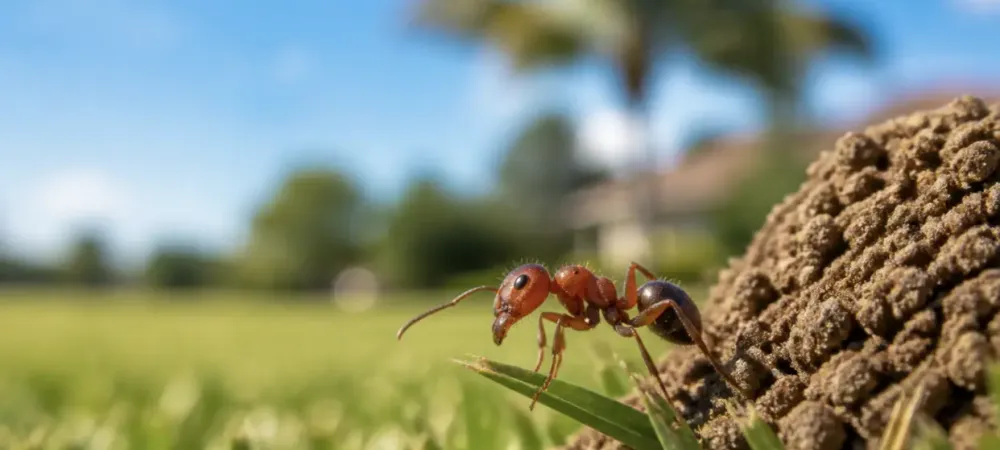
Fire ants are small, reddish-brown ants, about 1/8 to 1/4 inch long, with a darker abdomen. They build fluffy dirt mounds with no opening on top and swarm fast when the mound is disturbed. In Florida, the red imported fire ant is the one you're most likely to find in your yard, and its painful, repeated stings are why getting the ID right matters.
What Do Fire Ants Look Like?
Size and Color
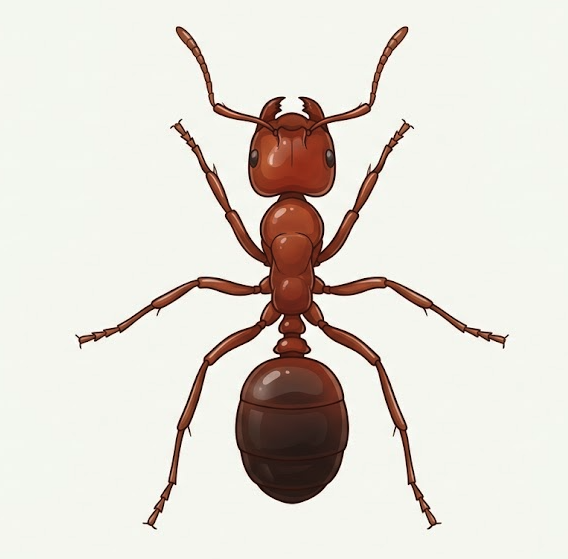
Fire ant workers range from about 1/8 to 1/4 inch long. Their head and middle section are a copper or reddish-brown color, and the rear section (the abdomen) is darker, often brown to nearly black. In direct sun, they can look almost orange.
Workers Come in Different Sizes
This is the trait most people don't expect. A single fire ant colony has workers of many sizes, from tiny to noticeably large, all mixed together on the same mound. Most common household ants have workers that are all about the same size, so a mix of big and small reddish ants is a strong sign you're looking at fire ants.
Body Features Up Close
If you can get a close look (a phone camera zoom works), fire ants have a narrow waist made of two small bumps, or nodes, between the middle section and the abdomen. Their antennae have 10 segments and end in a two-part club. Many ants have a single-node waist, so the two nodes help narrow down the ID.
What Fire Ant Mounds Look Like
The mound is often easier to spot than the ants. Fire ant mounds are loose, fluffy, dome-shaped piles of soil with no opening on top. The ants come and go through underground tunnels that can extend several feet out from the mound. In Florida, mounds tend to pop up in sunny, open areas like lawns, along sidewalks and driveways, near retention ponds, and in mulch beds, and they often appear right after a heavy rain.
Key Takeaways
Fire ants are small, reddish-brown ants with a darker abdomen. Workers in the same colony come in different sizes, and their mounds have no opening on top. Those two traits together are the fastest way to tell them apart from other ants.
What Ants Are Mistaken for Fire Ants?
Plenty of reddish or brown ants in Florida get called "fire ants." Some sting, some don't, and they call for different approaches. Here's how the most common lookalikes compare.
| Ant | How It Looks | How to Tell It Apart |
|---|---|---|
| Red imported fire ant | Copper-red with a darker abdomen; workers of mixed sizes | Fluffy dome mounds with no top opening; swarms and stings fast when disturbed |
| Tropical fire ant | Very similar color and size; larger workers have noticeably big, square heads | Nearly identical to the red imported fire ant without magnification; also stings |
| Little fire ant | Tiny (about 1/16 inch), golden to light brown, slow-moving | Much smaller; nests in trees, shrubs, and leaf litter instead of soil mounds; established in parts of South Florida |
| Big-headed ant | Small, reddish-brown; some workers have oversized heads | Leaves loose dirt along sidewalk cracks and foundations, not domed mounds; does not sting |
| Florida carpenter ant | Larger (up to about 1/2 inch), reddish-orange front with a black abdomen | Nests in wood and wall voids, not soil mounds; most active at night; bites but does not sting |
| Florida harvester ant | Larger and reddish, slower-moving | Flat, cleared mound with a single opening in the center; found in sandy soils |
If you're not sure which ant you're dealing with, avoid poking at the nest to find out. A pest control technician can identify the species on site, which matters because different ants need different treatments.
Key Takeaways
Several Florida ants look similar to fire ants, including tropical fire ants, little fire ants, big-headed ants, carpenter ants, and harvester ants. Mound shape, ant size, and where the ants nest are usually enough to tell the difference.
Are Fire Ants Harmful?
How Fire Ant Stings Work
A fire ant grabs onto skin with its jaws, then stings with the tip of its abdomen. It can pivot and sting again several times in a circular pattern without letting go. Because the whole colony responds when the mound is disturbed, people often get stung by many ants at once, usually on the feet and legs.
What a Fire Ant Sting Looks Like
A sting causes an immediate burning feeling, which is where the name comes from. The area becomes a red, itchy bump, and within about a day it usually turns into a small white pustule. Pustules can last a week or more.
Who Is Most at Risk
Anyone can be stung, but some people and animals face more risk:
- Young children, who may play near mounds or not move away quickly
- Older adults and anyone with limited mobility
- Pets, especially dogs that dig or lie down in the yard
- People with known allergies to insect stings
Allergic Reactions and When It's an Emergency
Most stings cause only local pain, itching, and pustules. A small number of people have a severe allergic reaction called anaphylaxis, which can be life-threatening and needs treatment right away.
- Hives or swelling spreading beyond the sting area
- Swelling of the face, lips, tongue, or throat
- Trouble breathing, wheezing, or chest tightness
- Dizziness, fainting, or a rapid pulse
- Nausea, vomiting, or stomach cramps after being stung
Key Takeaways
Yes. Fire ants sting repeatedly, and stings cause burning pain followed by white pustules. Most reactions are mild, but some people have serious allergic reactions that need emergency care.
What to Do If You're Stung by Fire Ants
- Move away from the mound. Get clear of the area first so more ants can't join in.
- Brush ants off quickly. Use your hand or a cloth to wipe them away. Water alone won't knock them loose because they hold on with their jaws.
- Wash the area. Clean the stings with soap and water.
- Cool the skin. A cold compress can help ease pain and swelling. Ask a pharmacist about over-the-counter options for itching.
- Leave pustules alone. Don't pop or scratch them. Broken pustules can become infected.
- Watch for warning signs. Get emergency care for any of the allergic symptoms listed above, and see a doctor if a sting area shows signs of infection or if a child or older adult was stung many times.
Key Takeaways
Move away from the mound, brush the ants off, and wash the area with soap and water. Leave the pustules alone, and get medical help right away if you notice swelling, trouble breathing, or dizziness.
How to Prevent Fire Ants Around Your Home
Don't Kick, Rake, or Mow Over Mounds
Breaking open a mound triggers the colony to defend itself, which means more stings. It can also prompt the colony to move a few feet away and rebuild, so the problem spreads instead of going away.
Why DIY Mound Treatments Often Fall Short
Pouring a product or boiling water on a single mound may kill the ants you can see, but the queen and much of the colony live deep underground. Colonies that survive often relocate and pop up somewhere else in the yard. Fire ant colonies in Florida can also have more than one queen, which makes them harder to wipe out with spot treatments.
Make Your Yard Less Appealing
Fire ants are drawn to moisture and loose, easy-to-dig soil. Florida's rainy season and regular irrigation give them plenty of both. A few habits help reduce new mounds near the house:
- Keep mulch beds thin, especially along the foundation
- Fix leaky irrigation heads and avoid overwatering
- Check yards after heavy rain, when new mounds tend to appear
- Keep pet food and water bowls inside or off the ground
- Seal gaps around doors, windows, and where pipes or wires enter the house
- Check around AC units and outdoor electrical boxes, which fire ants are known to nest in
If mounds keep coming back, show up near play areas or doorways, or someone in your home is getting stung, it's time to treat the colony and not just the mound. Learn more about our ant control services or our lawn pest control for fire ants in turf.
Key Takeaways
Avoid disturbing mounds, since that can spread the colony. Keeping mulch thin near the house and fixing irrigation leaks makes your yard less inviting to new colonies.
Source: University of Florida IFAS Extension, Red Imported Fire Ant, Solenopsis invicta Buren.