What is the Biggest Spider in Florida?
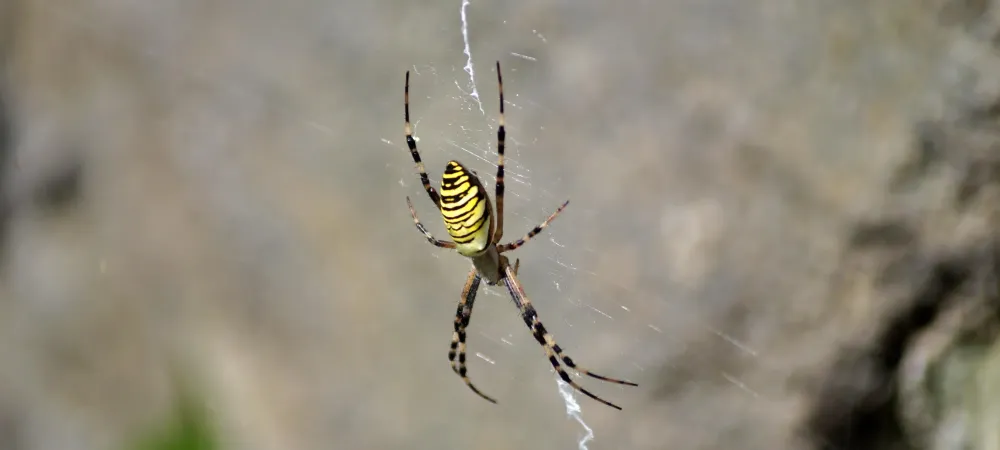
Florida's biggest spider by body length is the golden silk orb-weaver (banana spider), reaching up to 1.5 inches with a leg span of 4 to 5 inches. The huntsman spider has a slightly longer leg span, close to 5 inches, but a smaller body.
In This Article
Florida's biggest spider by body length is the golden silk orb-weaver, Nephila clavipes, commonly known as the banana spider. Females measure 1 to 1.5 inches in body length, with legs extending the full span to 4 to 5 inches. The huntsman spider actually beats it on leg span alone, reaching close to 5 inches, but the golden silk orb-weaver is the species people most often mean when they ask about Florida's largest spider. Both are common across the state, and neither is considered dangerous to people.
Golden Silk Orb-Weaver Size and Identification
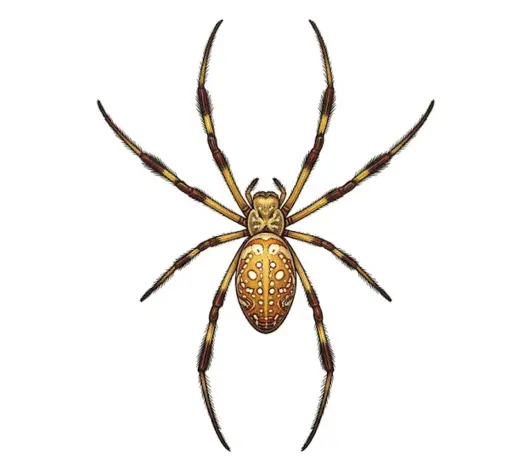
The golden silk orb-weaver gets its name from the color of the silk it spins, not the color of its body. Here is how to identify one:
- Body length: 1 to 1.5 inches for females; males are less than a tenth this size
- Leg span: 4 to 5 inches when fully extended
- Coloring: dark brown or black body with orange or yellow markings and tufted legs
- Web: large, golden-tinted wheel web spanning up to 3 feet, usually strung between trees, porch railings, or utility lines
According to the University of Florida's IFAS Extension, the golden silk orb-weaver ranks among the largest non-tarantula spiders in North America. The web is usually the easiest way to spot the spider before you see it directly, since golden silk orb-weavers repair rather than rebuild their webs daily. The same web can hold up in the same spot for weeks at the edge of a wooded yard.
Why the "Banana Spider" Name Causes Confusion
The nickname banana spider causes real confusion because it's also used for a completely different species, the Brazilian wandering spider, which is genuinely venomous and medically significant. That spider does not live in Florida. Florida's banana spider, the golden silk orb-weaver, belongs to a different genus entirely and poses no meaningful health risk to people or pets.
This naming overlap is worth knowing before you search online, since a search for "banana spider bite" can surface information about the wrong species entirely. The web shape is the fastest way to confirm which spider you're looking at: golden silk orb-weavers build large, stationary wheel webs, while wandering spiders don't build webs at all.
Huntsman Spider: Florida's Longest Leg Span
The huntsman spider, sometimes called the giant crab spider, has the longest leg span of any spider commonly found in Florida. Quick facts:
- Leg span: up to 5 inches, the longest of any spider common to Florida
- Body: flat and brown, built to fit into narrow gaps behind furniture or under tree bark
- Behavior: hunts actively at night and does not build a web
- Bite: not medically significant to people
Despite the size and speed, huntsman spiders are not aggressive. They're more often a surprise than a genuine hazard, though a large, fast-moving spider indoors is still a common reason Florida residents call for pest control.
Orb-Weaver vs. Huntsman: Side by Side
| Feature | Golden Silk Orb-Weaver | Huntsman Spider |
|---|---|---|
| Body length | 1 to 1.5 inches | Smaller body, longer legs |
| Leg span | 4 to 5 inches | Up to 5 inches |
| Builds a web | Yes, large wheel web | No |
| Active | Daytime, stays on its web | Nighttime, hunts actively |
| Danger to people | Not medically significant | Not medically significant |
Are Florida's Biggest Spiders Dangerous?
No. Neither the golden silk orb-weaver nor the huntsman spider is dangerous to people or pets. Size is not a reliable indicator of how dangerous a spider is:
- Not dangerous, despite size: golden silk orb-weaver, huntsman spider, wolf spiders
- Medically significant, despite smaller size: southern black widow, northern black widow, red widow, brown widow
Florida is home to more than 250 spider species, and only a handful are considered medically significant. If a bite causes spreading redness, severe pain, or swelling beyond the bite site, treat it as a medical question rather than a pest control one and contact a healthcare provider.
When to Call a Pest Control Professional
A large spider or two outdoors is normal in Florida and doesn't call for treatment on its own. Better signs that spider activity is worth addressing:
- Repeated indoor sightings, not just one spider outdoors
- Active egg sacs near entry points, doors, or windows
- A web rebuilt in the same spot week after week
Our residential pest control service treats the entry points and conditions that draw spiders indoors in the first place, not just the spiders you can see. If spiders keep showing up faster than you can clear the webs, that's the point where a professional visit makes more sense than another round of DIY.
Frequently Asked Questions
What is the biggest spider in Florida?
The golden silk orb-weaver is Florida's biggest spider by body length, reaching 1 to 1.5 inches with a leg span up to 5 inches. The huntsman spider has a slightly longer leg span but a smaller body.
Is the banana spider in Florida dangerous?
No. Florida's banana spider, the golden silk orb-weaver, is not dangerous to people or pets. The name is sometimes confused with the Brazilian wandering spider, a different and genuinely venomous species that doesn't live in Florida.
Are huntsman spiders venomous?
Huntsman spiders are not medically significant to people despite their large size and fast movement. Their size makes them startling indoors, but their bite is comparable to a minor insect bite.
Why do I keep seeing large spiders around my house in Florida?
Large spiders follow their food source, so repeated sightings usually point to insect activity nearby, gaps around doors and windows, or outdoor lighting that attracts insects at night. Addressing the insects and entry points is usually more effective than removing spiders one at a time.
Seeing a spider bigger than you expected, or spiders showing up faster than you can clear the webs?
Get a Free QuoteSource: University of Florida IFAS Extension, Common Florida Spiders (SP118/IN017).
Related reading: the full spider guide in our pest library and Florida's 8 most common spiders.